Best HA9 streets for easy Brent removals
Posted on 03/07/2026

If you are planning a move in HA9, the street you live on can matter almost as much as the size of your home. Narrow kerbs, busy school runs, one-way turns, parking pressure, and the odd van-unfriendly bend can all make a simple job feel strangely complicated. That is exactly why people search for the Best HA9 streets for easy Brent removals: they want a move that is calm, efficient, and free from last-minute surprises.
This guide breaks down which parts of HA9 tend to be easier for removals, what makes a street practical for a moving van, and how to plan around the everyday realities of Brent. You will also find a checklist, comparison table, and a few hard-earned tips that can save time on moving day. To be fair, a smooth move is rarely about luck. It is usually about preparation, the right timing, and understanding the street before the boxes start coming down.
Why HA9 street choice matters for removals
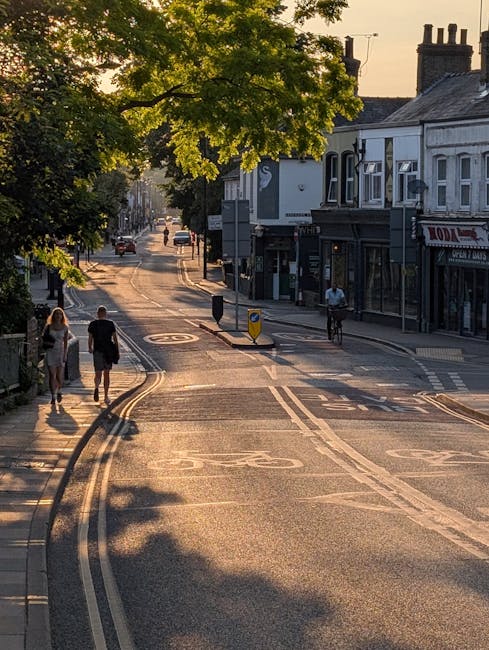
HA9 covers a part of Wembley where the built environment can change quickly from one road to the next. Some streets are straightforward for a removal van; others are awkward because of parked cars, limited turning space, or busy traffic near main routes. If you are moving out of a flat, maisonette, or terrace-style property, the street itself can make a major difference to how long loading takes and how much physical effort the team needs to put in.
That matters for three reasons. First, every extra minute at the kerb can push the whole day off balance. Second, a difficult approach can increase the risk of damage to furniture, walls, or flooring. Third, a street that is easy to access usually reduces stress for everyone involved, including neighbours who would rather not see a van blocking half the road for hours. Nobody wants that awkward moment where the van is technically there, but not quite in the right place.
In HA9, the easier streets are usually the ones with:
- good vehicle access and a sensible turning radius
- space for brief loading without creating a bottleneck
- less severe parking competition
- clearer routes in and out for larger removal vans
- front doors or building entrances that are not hidden behind complicated communal layouts
Street choice is not about luxury. It is about logistics. And logistics, in removals, is everything.
How HA9 removals work on different streets
When people talk about the best streets for easy Brent removals, they are usually really asking: which roads make the loading and unloading process quicker, safer, and less annoying? The answer depends on how the van reaches the property, where it can stop, and how far the team has to carry items.
In practical terms, an easy street for removals has a few common features. The van can stop close to the entrance without blocking a junction or forcing constant manoeuvring. The crew can move items in a direct line from the doorway to the vehicle. There is enough room for trolleys, blankets, and the occasional pause when someone says, "Hang on, that box is heavier than it looked."
By contrast, a more awkward HA9 street might involve:
- tight parking bays that are already full by breakfast time
- limited access for larger vehicles
- busy traffic that makes stop-start loading stressful
- long carries from the property to the van
- steps, slopes, or awkward pavement edges
That does not mean those streets are impossible. It just means the move needs a smarter plan. A good mover will usually adapt by using a smaller vehicle, timing the arrival carefully, or bringing extra equipment for longer carries. In some cases, a street that looks "easy" on paper turns out to be slower than expected because of school traffic or neighbour parking. HA9, like much of London, has a habit of doing that.
If you want a broader picture of available support, it helps to look at the wider range of removal services in Brent and match the right approach to the street, property type, and amount of furniture being moved.
Key benefits and practical advantages
Picking a more removal-friendly street in HA9 does more than shave time off the schedule. It often improves the whole experience from start to finish.
- Faster loading: Shorter walking distance from the front door to the van makes a noticeable difference.
- Lower risk of damage: Fewer awkward turns and fewer obstacles usually mean safer handling.
- Less disruption: A smoother loading point reduces noise and delays for neighbours and other road users.
- Better team efficiency: The crew can focus on lifting and packing rather than solving access problems.
- More predictable costs: Straightforward access can help keep the job closer to the original estimate.
There is also a quieter benefit that people often forget: peace of mind. If you know your street is workable for a van, you stop worrying about the moving day becoming a circus. You can focus on the real stuff - keys, meters, final checks, and remembering where you put the kettle. Which, let's face it, is somehow always the last thing to resurface.
For people comparing different service levels, the move often becomes much easier when street access is combined with the right vehicle choice. In many situations, a local man with a van in Brent is ideal for shorter, simpler moves, while larger properties may need a more structured team and a bigger vehicle.
Who this is for and when it makes sense
This topic matters most if you are moving from, to, or within HA9 and want to avoid the usual London headaches. It is especially useful for:
- flat movers dealing with communal entrances or upper-floor access
- families moving house and trying to keep the day on a tight schedule
- students relocating between term-time lets
- office or studio movers who need a quick turnaround
- people with larger or awkward items like wardrobes, sofas, or pianos
If you are moving a small load and the street is generous, a light-touch service may be enough. If you are relocating a full household, the road becomes part of the moving plan, not just a background detail.
It also makes sense when you are working to a fixed timetable. Maybe the lease starts at noon. Maybe the old place needs to be emptied before the cleaner arrives. Or perhaps you have one precious daylight window between the lift being available and the estate agent collecting keys. In those situations, "easy street" is not a luxury term. It is an operational advantage.
People planning a bigger domestic move often start with house removals in Brent, while flat dwellers frequently benefit from flat removal support that is designed around stairs, entrances, and practical access issues.
Step-by-step guidance
If you want the day to run smoothly, use a simple, street-first plan. This is the kind of preparation that saves real time, not just theoretical time.
- Assess the street early. Walk the route from your property to the nearest practical stopping point. Check for tight corners, school gates, trees, lamp posts, and regular parking pressure.
- Measure the carry distance. If the van cannot stop outside, estimate the walk from kerb to door. Ten metres is manageable. Fifty metres starts to matter.
- Think about vehicle size. A larger van may be efficient for volume but awkward on narrow access roads. A smaller van can be easier to position and quicker to load.
- Choose the right time slot. Mid-morning or early afternoon can be calmer than the school-run crush. Of course, every street has its own rhythm.
- Reserve lifting and packing support if needed. If you have heavy items, request help before moving day rather than hoping for the best.
- Prepare the property itself. Clear hallways, protect floors, and keep bulky items near the exit where possible.
- Confirm access details. Let the mover know about gates, entry codes, permits, loading restrictions, or awkward building layouts.
- Keep essentials separate. Documents, chargers, medication, keys, and snacks should travel with you, not disappear into the back of a loaded van.
A tiny bit of admin on the front end can save a very long afternoon later. You know how it goes: the first box is easy, the fifth one is fine, and then suddenly everyone is negotiating with a sofa that does not want to turn the corner.
Expert tips for better results
Having worked around busy residential streets and tighter London access points, a few practical patterns show up again and again. Nothing magical. Just things that work.
1. Match the vehicle to the road, not just the load
A fully packed large van is not always the smartest option. If the street is tight but the load is moderate, a smaller vehicle may make the whole process smoother. In HA9, road access often matters just as much as cubic capacity.
2. Use the front door plan, not the hallway fantasy
It is easy to assume items will move quickly once the team arrives. But if the front door opens into a narrow corridor or a cluttered lobby, loading can slow down fast. Clear the path before anything else. Seriously, do this first.
3. Communicate about stairs and building rules
If your property has shared access, check whether there are any restrictions on loading times, lifts, or entry points. Even when there is no formal restriction, neighbours and residents will appreciate tidy, quiet handling.
4. Use packing to reduce carry time
Well-packed boxes are easier to stack and move. Loose items multiply the number of trips, and trip numbers are what make removals drag. Good packing matters more than people think.
If you need support with materials, the pages on packing and boxes in Brent and packing supplies and boxes can help you plan that side properly.
5. Ask about storage if the timing is messy
Sometimes the street is fine but the move itself is split across dates. In that case, short-term storage can remove pressure from the day and let you avoid rushing furniture into the wrong room just to get the van emptied.
A small but useful insight: the smoother the street access, the more time you can spend on protection and placement rather than brute-force handling. And that is usually where good removals look effortless.

Common mistakes to avoid
Most moving problems are not dramatic disasters. They are small misjudgements that stack up. One missed detail, then another, and by midday everyone is a bit tired and a bit grumpy.
- Ignoring parking reality: A street may look fine in the morning and completely blocked by lunchtime.
- Assuming the van will fit anywhere: Larger vehicles need more room than many people expect.
- Not checking carrying distance: A long path from van to door can turn a one-hour job into a longer, physically heavier task.
- Leaving boxes unlabelled: That slows unloading and makes room placement chaotic.
- Forgetting building access details: Entry codes, lift restrictions, and communal rules can all trip up the plan.
- Underestimating heavy items: Wardrobes, white goods, and especially specialist items need more care and sometimes more staff.
Another common one? Thinking "it will probably be fine." Maybe. But "probably" is not a moving strategy. Better to confirm the route, the access, and the equipment needed. A little dull, yes. Effective, absolutely.
Tools, resources and recommendations
You do not need a complicated toolkit to prepare for an easier HA9 removal. What you do need is a few sensible basics.
| Item or resource | Why it helps | Best use case |
|---|---|---|
| Strong boxes | Protects items and makes stacking easier | General house, flat, or student moves |
| Packing tape and labels | Keeps boxes secure and easy to identify | Any move with multiple rooms or mixed contents |
| Protective blankets | Reduces scuffs during loading and transport | Furniture, delicate edges, and painted surfaces |
| Furniture straps | Helps secure loads during transit | Heavier or taller items |
| Plan for a shorter van route | Reduces carrying time and risk | Narrower streets or time-sensitive jobs |
Alongside the physical kit, it helps to use the right service page as a planning reference. If your move is straightforward and the street access is friendly, a local man and van service in Brent may be enough. If your job is larger or more complex, you may want to compare it with full removal services in Brent and decide what level of support makes the most sense.
For people who want to understand the wider local offering before booking, the removals Brent page is a useful starting point, and the pricing and quotes page helps set realistic expectations before the moving date creeps up on you.
Law, compliance and best practice
Street access in HA9 is not just a moving issue; it can also be a compliance and courtesy issue. In the UK, movers and customers usually need to think about parking rules, loading restrictions, obstruction risk, and safe manual handling. The exact practical requirements depend on the street, the council area, the time of day, and the property type.
Rather than guessing, it is best to treat compliance as part of the move plan. Check whether a van can stop legally and safely. Consider whether your building has rules about loading. If the road is busy, allow extra time so the team can work without pressure. Safe lifting matters too, especially with awkward furniture or repeated carries up stairs.
Good practice usually means:
- planning access before moving day
- avoiding unnecessary obstruction
- protecting shared spaces and entrances
- using suitable equipment for heavier items
- communicating clearly about timing and access constraints
If safety is a concern, it is sensible to choose providers who take it seriously. You can review the company's approach through pages like insurance and safety and health and safety policy. That is not just paperwork. It tells you how the job is likely to be handled on the ground.
There are also practical service areas where compliance and timing matter even more, such as same-day removals in Brent, where a short delay can cause a whole domino effect. Not ideal, obviously.
Options, methods and comparison table
Choosing the best approach depends on the street, the volume of goods, and how much help you need. Here is a simple comparison to make the decision clearer.
| Removal approach | Best for | Strengths | Possible drawbacks |
|---|---|---|---|
| Man with a van | Smaller moves, lighter loads, easy access streets | Flexible, often quick, usually straightforward | Less suitable for larger or highly complex moves |
| Man and van | Flat moves, student moves, mixed household items | Good balance of support and practicality | May need more planning for heavy furniture |
| Full removal service | House moves, bigger inventories, time-sensitive relocations | More comprehensive help, better for complex logistics | Usually more planning required upfront |
If your HA9 street is easy to access and your load is modest, a leaner option may be ideal. If the street is awkward, the furniture is bulky, or there are stairs and tight entrances, a fuller service can be worth it simply because it reduces friction.
For commercial or mixed-use moves, the situation becomes more specific. A business relocating equipment may want to look at office removals in Brent, while delicate or high-value items may need specialised handling such as furniture removals or even piano removals.
Case study or real-world example
Here is a realistic scenario. A couple moves out of a second-floor flat in HA9 on a street with reasonable access but limited parking after 8 a.m. They have a sofa, a bed, several boxes, a table, and a few awkward plants that somehow become the most difficult items in the whole property. Classic.
Instead of arriving late and hoping for a space, the mover plans a mid-morning arrival and confirms where the van can stop safely. The couple clears the hallway the night before, packs the boxes by room, and keeps essentials in a separate bag. The van parks close enough that the carry distance is short, and the loading runs in a tidy flow. No drama, no doubling back, no "where did that box go?" moment in the stairwell.
What made it work?
- the street was assessed in advance
- the access point was chosen carefully
- the packing was organised
- the van size matched the property and the road
- the team had room to work without rushing
That is the heart of easy Brent removals in HA9. Not perfect conditions. Just the right choices, made early enough to matter.
Practical checklist
Use this checklist before moving day. It is simple, but it catches the things people forget when they are busy.
- Confirm the exact property access point
- Check parking and loading conditions on your street
- Measure the carry distance from van to door
- Tell the mover about stairs, lifts, gates, or entry codes
- Decide whether a smaller or larger van is more suitable
- Pack and label boxes by room
- Set aside important documents and valuables
- Protect floors and walls near the exit
- Separate fragile items clearly
- Review timing, especially if the street gets busy at peak hours
- Consider storage if your dates do not line up neatly
- Have a contact number ready on the day
And one small practical note: keep a bottle of water nearby. It sounds trivial, but moving day can get warm, noisy, and slightly chaotic before lunch. A small bit of comfort goes a long way.
Conclusion
The best HA9 streets for easy Brent removals are the ones that let a van stop safely, keep carrying distances short, and reduce the number of moving-day variables. That sounds simple, but it is often the difference between a smooth relocation and a long, tiring one. Street access, timing, and preparation all work together. Leave one of them out and the whole day feels harder than it should.
If you are planning a move in HA9, think beyond postcode and look closely at the street itself. A little route planning now can save you stress, delays, and extra lifting later. In removals, small decisions have a funny habit of becoming big ones. Better to make the easy choice early.
Get a free quote today and see how much you can save.
And if you are still weighing up the right approach, start with trusted local guidance, compare the options calmly, and build the move around your street rather than fighting against it. That is usually where the real difference is made.


