Neasden Estate Removals Guide for Flats and Houses
Moving in Neasden can look straightforward on paper, then suddenly become a juggling act of stairwells, parking, lift bookings, awkward sofas, and that one box you swear you packed yesterday. This Neasden estate removals guide for flats and houses is here to make the whole thing feel calmer and more manageable. Whether you are leaving a compact flat on an estate or moving out of a larger house, the same basics apply: plan early, protect your belongings, keep access simple, and choose the right moving support for the job.
Truth be told, most stressful moving days do not go wrong because of one huge mistake. They go wrong because of a dozen small ones. A van that is too small. No one checking whether the lift is working. A parking space blocked by a neighbour's car. A sofa measured in hope rather than reality. We will walk through the practical stuff that actually matters, so you know what to expect and what to do next.
If you are comparing moving support, it may help to look at the broader removal services available, or check the main removals page if you want a wider overview of what a professional move typically includes.
Table of Contents
- Why this guide matters in Neasden
- How estate removals work for flats and houses
- Key benefits and practical advantages
- Who this is for and when it makes sense
- Step-by-step guidance
- Expert tips for better results
- Common mistakes to avoid
- Tools, resources and recommendations
- Law, compliance and best practice
- Options and comparison table
- Case study example
- Practical checklist
- Conclusion
- Frequently asked questions
Why Neasden Estate Removals Guide for Flats and Houses Matters
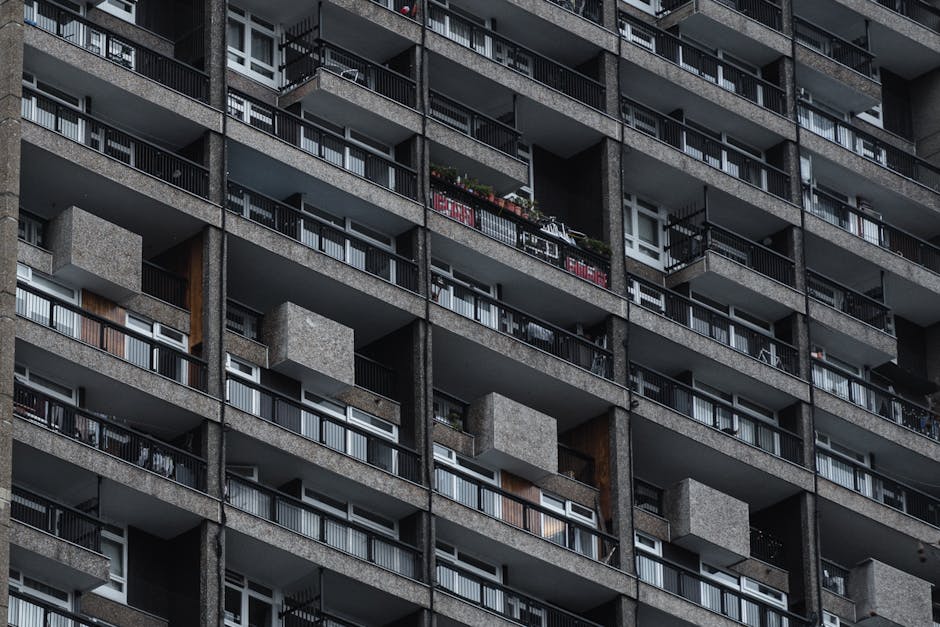
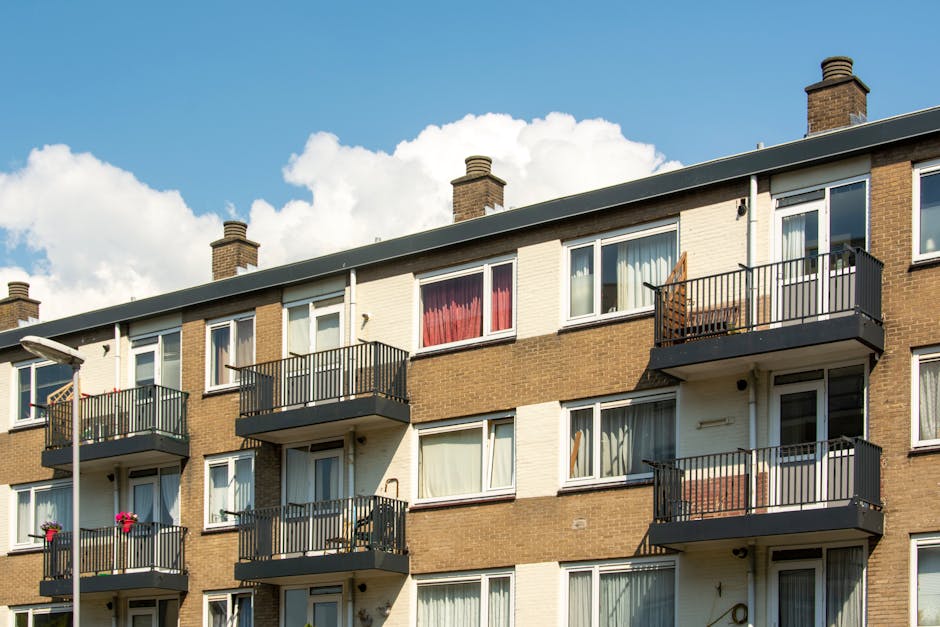
Neasden has a mix of housing types, and that matters more than people realise. A move from a first-floor flat on an estate is not just a smaller version of a house move. It often involves shared entrances, tighter corridors, controlled access, lift rules, and less room to pause while carrying heavy items. A house move, by contrast, may offer more space inside, but often brings longer carries from the front door to the vehicle, more furniture, and more packing overall.
That is why a location-specific guide helps. It makes you think about the real-world details before moving day arrives. Can the van get close to the entrance? Is there enough room for a large mattress through the hallway? Will the team need to protect communal flooring? These questions seem minor until the clock is ticking and everyone is tired.
Estate moves also tend to involve neighbours. That does not sound glamorous, but it is part of the picture. Quiet handling, sensible timing, and not blocking shared paths can make the whole move feel smoother for everyone involved. And let's be honest, a considerate move usually goes better than a rushed one.
Expert summary: The best Neasden moves are usually the ones planned around access first, furniture size second, and speed third. If you get those priorities right, the rest becomes much easier.
How Neasden Estate Removals Guide for Flats and Houses Works
At a practical level, an estate removal follows a simple chain: survey the property, decide what is moving, plan access, choose vehicle size, pack carefully, load in the right order, transport everything securely, and unload in a way that avoids damage. Sounds neat, doesn't it? In real life it is a bit messier, but the structure holds.
For flats, the important questions are often about access and timing. Is there a lift? Does it need booking? Are there enough loading bays? Can the moving van park legally and safely nearby? For houses, the focus may shift to volume, fragile items, and how long the walk is from rooms to the vehicle. You can have more space in a house and still end up with a tricky move if you underestimate how much there is.
A good moving plan also considers the type of vehicle. A smaller vehicle can be ideal for a flat with limited parking, while a larger vehicle may suit a house with more furniture and boxes. If you want to compare vehicle-based options, the pages for man and van, man with van, and moving van can help you understand the different setups.
There is also the question of packing support. Some people pack everything themselves, which is perfectly fine if you are organised and have time. Others prefer a hand with wrapping, boxing, and labelling. If that sounds like you, the packing and unpacking services page is worth a look.
Key Benefits and Practical Advantages
Estate removals are not just about getting things from A to B. Done properly, they save time, reduce risk, and make the day far less chaotic. Here are the most useful benefits, in plain English.
- Less stress on moving day: When access, packing, and vehicle size are planned properly, the day feels more controlled.
- Lower damage risk: Protective wrapping, the right lifting technique, and good loading order all reduce breakage and scuffs.
- Better time use: A clear plan keeps the move moving, especially in estate settings where access windows may be limited.
- More suitable transport: The right van or truck means fewer trips and less lifting than necessary.
- Better fit for your property: Flats, maisonettes, and houses all have different access issues. A tailored move works better than a one-size-fits-all approach.
- Cleaner handover: If you are moving out of a rented flat, a more organised move makes it easier to leave the place tidy and presentable.
One practical advantage people often overlook is mental clarity. Once the main move is booked, packed, and scheduled, everything else feels less noisy. You stop carrying the move around in your head all day. That alone is worth a lot.
Who This Is For and When It Makes Sense
This guide is useful for a few different kinds of movers. If you live in a Neasden estate flat and have lift restrictions or tight stairways, you will benefit from careful planning. If you are moving from a terraced or semi-detached house, the volume of belongings and the longer load-out route may be your main concern. Families, first-time renters, downsizers, and landlords arranging a tenancy changeover can all use the same basic framework.
It also makes sense if you are deciding between doing it yourself and hiring help. A self-move can work for a small load and a short distance, especially if you already have friends willing to help. But once bulky furniture, fragile items, or awkward access enters the picture, professional support starts to look very sensible. Not dramatic. Just sensible.
If you are somewhere in the middle, a flexible option such as man with van removal or a broader removal company can strike a good balance between cost, help, and convenience.
Step-by-Step Guidance
A move goes far better when it is broken into stages. Here is a practical approach that works well for flats and houses in Neasden.
- Walk through the property room by room. Make a simple list of furniture, boxes, fragile items, and anything awkward such as mirrors, bikes, or white goods.
- Measure the bulky items. Doorways, stair turns, lifts, and hallways matter. A few centimetres can make the difference between a clean move and a lot of sideways shuffling.
- Check access at both addresses. Parking, loading space, entry codes, lift bookings, and any move-in or move-out rules should be confirmed early.
- Decide what goes with you. Moving is the perfect time to reduce clutter. If a chair is tired, wobbly, and heading for the shed anyway, maybe it should not come along.
- Choose the right moving support. For smaller loads, a man and van removals service may be enough. For larger homes or more complex jobs, a bigger vehicle and fuller support can be the better fit.
- Pack by priority, not by mood. Start with non-essentials and label boxes clearly by room and contents.
- Protect fragile and valuable items. Wrap glass, electronics, artwork, and lamps carefully. Use sturdy boxes and avoid overfilling them.
- Load in a deliberate order. Heavy items first, fragile items last, and essentials accessible for quick unloading.
- Keep a day bag separate. Kettle, charger, documents, medication, toilet rolls, and a change of clothes should not disappear into the van.
- Do a final sweep. Check cupboards, loft spaces, under beds, balconies, and any sneaky corner where a box may have been forgotten.
A small but useful trick: write the room name on two sides of every box. When boxes are stacked in a van or landing area, you will be glad you did.
Expert Tips for Better Results
In our experience, the best moving days are built on small decisions made early. These tips may sound obvious, but they save real time.
- Book access before you book effort. If lift times or parking spaces are restricted, work backwards from that.
- Pack a "first night" box. Think bedding, toiletries, phone chargers, tea, snacks, and basic kitchen items. You do not want to be hunting for a mug at 11 p.m.
- Keep screws and fittings together. Tape them to the back of dismantled furniture or store them in labelled bags.
- Take photos of cable setups. It sounds fussy until you are staring at a pile of wires later, wondering which one belongs where.
- Protect floors and corners. Especially in flats and hallways. A bit of care here prevents awkward conversations later.
- Use the right boxes for the job. Heavy items go in smaller boxes. Big boxes are for lighter stuff. Your back will thank you.
One more thing. Do not leave packing tape until the last minute. Everyone does this once. Then they learn. The tape disappears, the scissors vanish, and suddenly you are using a butter knife like a tiny desperate engineer.
Common Mistakes to Avoid
Most moving problems are preventable. The usual mistakes are not clever, just common.
- Underestimating how much you own. Flats can still hold a surprising amount of stuff, and houses even more so.
- Ignoring access restrictions. Estate rules, parking limitations, and narrow shared spaces can change the whole plan.
- Not measuring furniture. Sofas, wardrobes, and bed frames are the biggest troublemakers.
- Packing too late. Last-minute packing leads to broken items and a very grumpy morning.
- Mixing essentials with everything else. If your kettle is buried in box number 19, you will feel it by tea time.
- Choosing a vehicle that is too small. Multiple trips may seem manageable until the clock, traffic, and fatigue all join the chat.
- Skipping insurance checks. You want to know what is covered before the first box is lifted.
A quiet but important mistake is not telling people what is fragile. If something matters to you, make that obvious. Even careful movers are not mind readers, sadly.
Tools, Resources and Recommendations
You do not need a mountain of equipment for a good move, but the right basics make a big difference. A few well-chosen tools help keep things organised and safer to handle.
- Strong boxes: Use consistent sizes where possible so stacking is easier.
- Packing tape and dispensers: Faster and cleaner than trying to rip tape with your teeth. Please don't.
- Bubble wrap or paper: Useful for glassware, ornaments, and electronics.
- Labels and markers: Room names, contents, and priority notes save time later.
- Furniture covers or blankets: Helpful for protecting corners and surfaces in transit.
- Basic toolkit: Screwdrivers, Allen keys, and a small spanner set are handy for dismantling furniture.
- Gloves and sturdy shoes: Simple, but worth it.
If you need help clearing unwanted pieces before the move, the furniture pick up service may be useful, especially if you are reducing bulky items rather than bringing everything with you.
For local moves where you want a straightforward booking and a moving team familiar with domestic jobs, the home moves and house removals pages are also worth reviewing.
Law, Compliance, Standards, or Best Practice
Moving house in the UK is not usually a heavily regulated process for the customer, but there are still sensible standards and duties to keep in mind. If you live in a managed estate, leasehold property, or rented flat, there may be building rules about lift use, loading times, protecting communal areas, or where vehicles can stop. Those rules are not optional, even if they feel inconvenient on the day.
Safety matters too. Any professional mover should work in a way that reduces the risk of injury and damage, use appropriate lifting methods, and take care with access routes. If you are comparing providers, it is reasonable to look for clear information about insurance, handling procedures, and how they approach safety. A good place to start is the site's insurance and safety information alongside its health and safety policy.
On the customer side, best practice is simple: be honest about access, disclose anything especially fragile or valuable, and keep pathways clear. If something feels unsafe to lift, it probably is. Better to pause than force it.
Options, Methods, or Comparison Table
Here is a simple comparison of common ways people handle Neasden flat and house moves.
| Method | Best for | Pros | Trade-offs |
|---|---|---|---|
| Self-move with a rented vehicle | Very small loads, short distances, tight budgets | Lower upfront cost, flexible timing | More lifting, more stress, more risk if access is awkward |
| Man and van | Flats, partial moves, smaller house loads | Practical, flexible, usually quicker than DIY | May not suit larger family homes or bigger furniture volumes |
| Full removals service | Large houses, full-property moves, time-sensitive jobs | More support, better for complex or heavy moves | Usually the most expensive option |
| Hybrid approach | Mixed loads, budget-aware movers who still need help | Good balance of cost and support | Needs clear planning so everyone knows what is included |
If you are unsure which option fits, start with the load size and access conditions. That usually answers the question faster than anything else. A tiny flat with three flights of stairs may need more support than a larger house with level access, which is one of those annoying truths of moving life.
Case Study or Real-World Example
Here is a realistic example. A couple moved out of a second-floor estate flat in Neasden into a terraced house nearby. At first, they assumed the move would be easy because it was local. But the flat had a tight stairwell, limited parking, and a lift that could not be relied on for bulky furniture.
Rather than trying to carry everything themselves, they measured the sofa, bed frame, and wardrobe in advance, packed smaller boxes by room, and booked a vehicle that could handle the larger items in fewer trips. They also kept essentials in one clearly marked bag. The result was not glamorous, but it worked. No scrambling for chargers. No panic over lost bedding. No last-minute arguments about which box held the kettle.
The real win was that both properties stayed tidy and the move finished earlier than expected. Not because the day was perfect, but because the plan matched the buildings. That is the key point, really.
Practical Checklist
Use this checklist a few days before moving day. It keeps things grounded.
- Confirm moving date and access times
- Check parking near both properties
- Measure large furniture and doorways
- Decide what is being moved, sold, donated, or discarded
- Pack fragile items separately and label clearly
- Prepare a first-night essentials box
- Keep documents, keys, and chargers accessible
- Protect floors, corners, and furniture surfaces
- Tell movers about any difficult access or heavy items
- Do a final room-by-room sweep before leaving
If you still have bulky items that should not go with you, it may help to review recycling and sustainability information so you can handle unwanted belongings responsibly rather than leaving them to become an awkward post-move chore.
Conclusion
A Neasden estate move does not need to feel overwhelming. Whether you are moving from a flat or a house, the winning formula is the same: understand the access, pack with purpose, choose the right transport, and keep the day simple wherever you can. That is what turns a stressful move into a workable one.
Take the time to measure, label, and plan the handover properly. It may feel a bit tedious at first, but those are the small actions that protect your belongings and your sanity. And to be fair, sanity is worth protecting on moving day.
Get a free quote today and see how much you can save.
When the boxes are stacked and the last door is closed, a good move leaves you with something better than a finished checklist. It leaves you with a clean start.
Frequently Asked Questions
What makes estate removals different from a normal house move?
Estate removals often involve shared access, lifts, tighter corridors, and parking restrictions, so the move has to be planned around the building as much as the furniture.
Is a man and van suitable for a Neasden flat move?
Yes, often it is. A smaller flat move, a partial move, or a short-distance job can work very well with a man and van setup, especially if access is straightforward.
How do I know if I need a full removals service?
If you have a lot of furniture, several bedrooms' worth of belongings, or awkward access, a fuller removals service is usually the safer and calmer choice.
Should I book the move before or after packing?
Book early if you can. You do not need to be fully packed first, but you should know your likely move date and any access restrictions before finalising anything.
What should I do if the lift in my block is small?
Measure the biggest items first. If they will not fit safely, plan for stair carries or dismantling furniture where possible. Small lifts can slow a move down quite a lot.
How much packing should I do myself?
That depends on time, budget, and confidence. Many people pack clothing, books, and soft items themselves, then ask for help with fragile or bulky pieces.
Can I move out of an estate flat without damaging communal areas?
Yes, if you protect floors and corners, keep hallways clear, and move carefully. Communal spaces deserve a bit of respect, really, because everyone shares them.
What is the biggest mistake people make on moving day?
Usually it is underestimating access problems or leaving packing too late. Both create avoidable pressure and can make the whole day run long.
Do I need to dismantle furniture before the move?
Not always, but it often helps with wardrobes, bed frames, and large tables. If a piece will not safely fit through a doorway or stair turn, dismantling is the smarter option.
How can I reduce moving costs without cutting corners?
Declutter first, pack as much as you reasonably can, label boxes properly, and make access information clear. These steps reduce wasted time and unnecessary trips.
Is it worth getting help with packing and unpacking?
If you are short on time, nervous about breakables, or moving a whole household, yes. It can save an enormous amount of energy, and sometimes that matters more than people expect.
Where can I find more information about booking and payment?
You can review the site's pricing and quotes and payment and security pages for practical booking information.
What if I need to clear furniture before moving?
If some items are not worth taking, arranging a furniture pick up can be a sensible way to reduce clutter before the move and make loading simpler.
How do I choose between a van and a larger moving vehicle?
Start with the amount of furniture, the number of boxes, and the access at both addresses. If you are unsure, a slightly larger vehicle is often less stressful than one that is too small.
For a better sense of service style and background, you can also read about the company's about us page or get in touch through the contact us page when you are ready to plan the details.